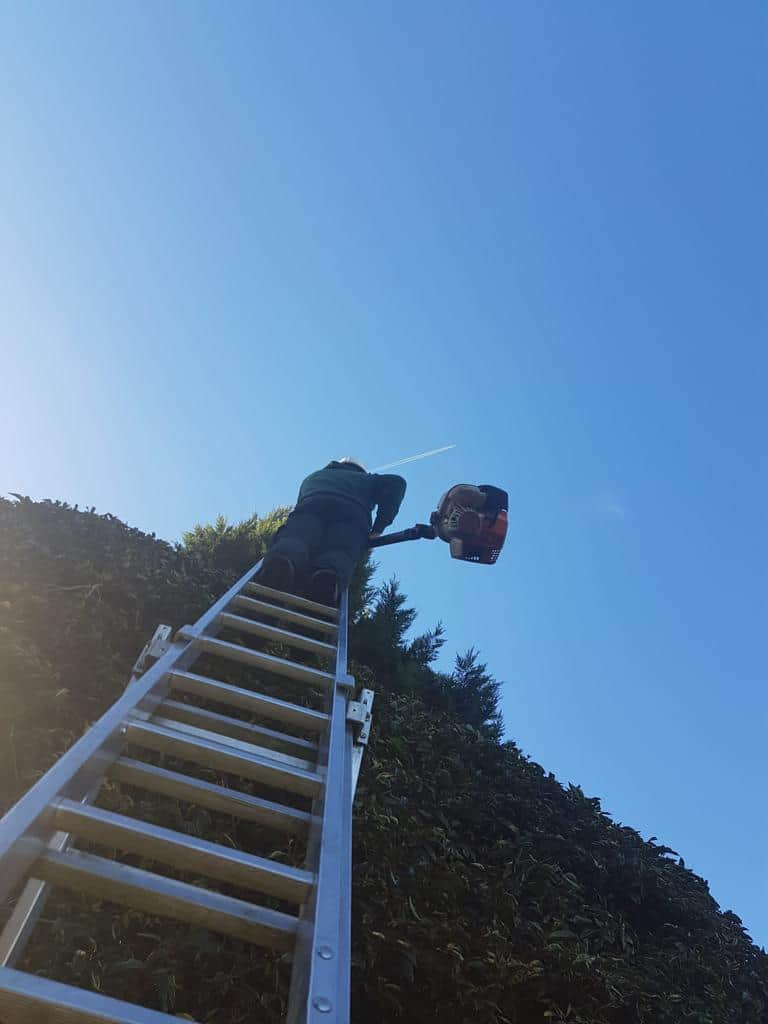
Tree maintenance involves more than simply removing branches. Different techniques are used for different purposes, and choosing the right approach can help maintain a tree’s structure, appearance and overall condition.
Two terms that are often confused are crown reduction and tree pruning. Although both involve removing branches, they are carried out for different reasons and require careful planning. For property owners in Charlton Kings, Gloucestershire, understanding the difference can help when deciding what type of tree surgery may be appropriate.
What Is Tree Pruning?
Tree pruning is a general term for selectively removing branches from a tree. The work can be carried out for several reasons, including removing dead, damaged or poorly positioned growth and improving the tree’s overall structure.
Pruning does not necessarily mean reducing the overall size of a tree. Instead, the focus is usually on specific branches that need attention.
Professional pruning may involve removing:
- Dead or dying branches
- Damaged or broken growth
- Weak or poorly positioned branches
- Crossing or rubbing branches
- Growth that is affecting the tree’s structure
The exact pruning method depends on the species, age, condition and location of the tree.
What Is Crown Reduction?
Crown reduction is a more specific form of tree surgery designed to reduce the overall size and spread of a tree’s crown.
Rather than removing individual problem branches only, a crown reduction involves carefully shortening suitable branches throughout the crown. The aim is to create a smaller, balanced structure while retaining the tree’s natural shape.
A properly planned reduction should avoid excessive removal of foliage. Taking away too much growth can place unnecessary stress on a tree and may encourage weak regrowth.
The Main Difference Between Crown Reduction and Pruning
The simplest distinction is that pruning can focus on individual branches, whereas crown reduction aims to reduce the overall dimensions of the tree.
For example, if a tree has several dead or damaged branches but its overall size is suitable for its location, selective pruning may be sufficient.
If the tree has become excessively large for its surroundings and a reduction is considered appropriate, crown reduction may be used to carefully decrease its height and spread.
The correct technique should always be determined by the condition and structure of the individual tree rather than simply removing as much growth as possible.
When Might Crown Reduction Be Considered?
Crown reduction may be suitable where a tree has outgrown its available space or its crown needs to be reduced while maintaining a balanced appearance.
It can be considered when:
- A tree has become excessively large for its location
- The crown is extending towards buildings or other structures
- Branch growth is becoming difficult to manage
- The overall height or spread needs to be reduced
- The tree requires a carefully controlled change in its shape
Reduction should be carried out selectively. Removing large amounts of the crown without proper planning can affect the tree’s structure and future growth.
When Is General Tree Pruning More Appropriate?
Tree pruning is often more appropriate when the main concern involves specific branches rather than the overall size of the tree.
For instance, removing deadwood or addressing a damaged branch may require targeted pruning rather than reducing the entire crown.
Regular inspections can help identify these issues before they become more difficult to manage. Pruning can also help maintain a clear and balanced structure while removing growth that is no longer beneficial to the tree.
Why Professional Assessment Matters
It is not always obvious which tree surgery technique is appropriate. A tree may appear overgrown, but reducing its crown may not be the most suitable solution.
Before work begins, factors such as the tree’s species, structure, condition, growth pattern and surrounding space should be considered.
Professional tree surgeons can assess the tree and determine whether selective pruning, crown reduction or another form of tree surgery is more suitable.
Careful planning also helps avoid unnecessary removal of healthy branches and supports the long-term condition of the tree.
Choosing the Right Tree Surgery in Charlton Kings
Trees in gardens and around properties in Charlton Kings, Gloucestershire, can require different levels of maintenance depending on their size, condition and surroundings.
EM Tree Surgery Charlton Kings can assess individual trees and provide professional advice on appropriate pruning and crown reduction work. The aim is to carry out the necessary work carefully while maintaining a natural and well-balanced tree structure.
Whether a tree needs specific branches removed or its overall crown carefully reduced, choosing the correct approach is an important part of responsible tree maintenance.
Conclusion
Crown reduction and tree pruning are related but different forms of tree surgery. Pruning generally focuses on selected branches, while crown reduction aims to reduce the overall size and spread of the tree’s crown.
Using the right technique can help maintain the tree’s structure and appearance while avoiding unnecessary removal of healthy growth. Professional assessment is particularly important when deciding how much of a tree should be removed.
If you are unsure whether a tree in Charlton Kings, Gloucestershire needs pruning or crown reduction, contact EM Tree Surgery Charlton Kings to discuss your requirements and arrange a professional tree assessment.
Call us on: 01242 569 996
Click here to find out more about EM Tree Surgery Charlton Kings
Click here to complete our contact form and see how we can help with your tree needs.